When Is the Right Time to Opt for Tarmac Surface Recoating?
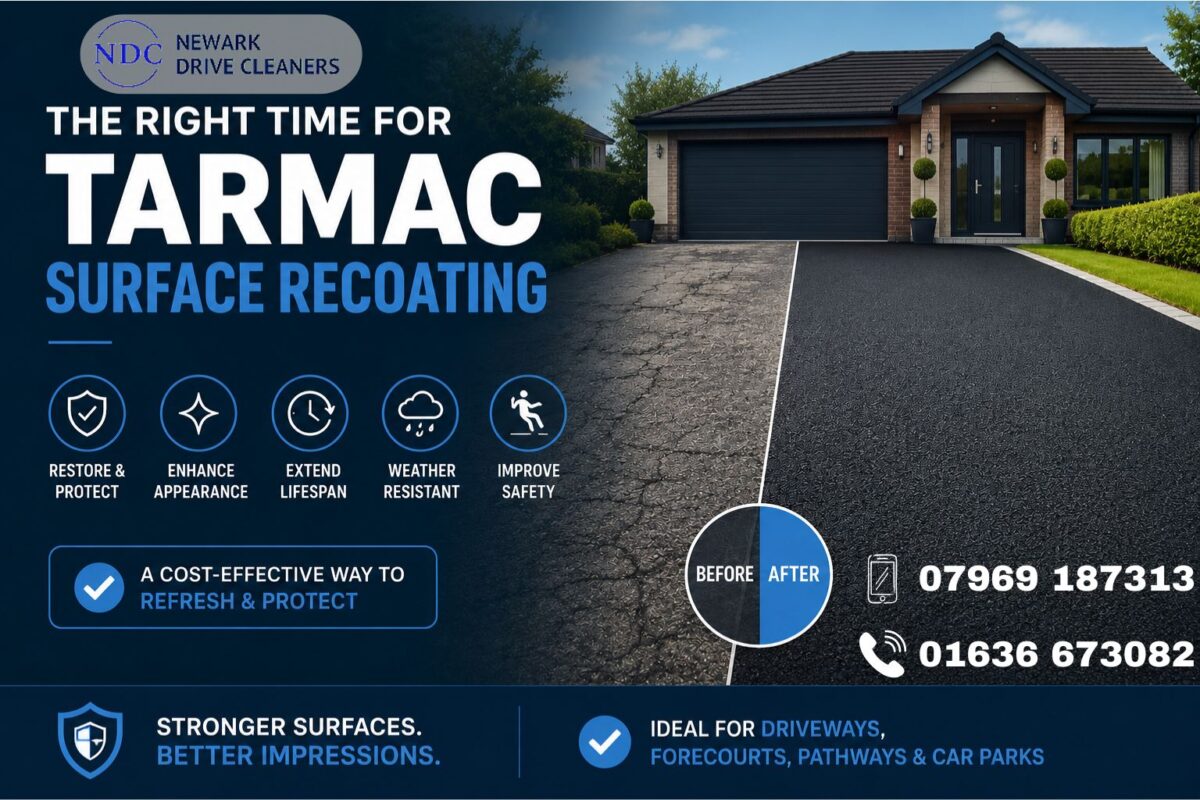
Highlights at a Glance
-
Restore faded and worn tarmac without full replacement.
-
Improve kerb appeal and create a cleaner first impression.
-
Prevent cracks, potholes, and costly surface damage.
-
Extend the lifespan of your driveway or commercial surface.
-
Enhance safety with better grip and surface visibility.
-
Protect against weather damage, oil stains, and water penetration.
-
Ideal for driveways, forecourts, pathways, and car parks.
-
A cost-effective alternative to complete resurfacing.
📞 Call 07969 187313 OR📞 Call 01636 673082
Most people don’t notice how much their driveway or external surface affects the overall appearance of a property until it starts looking tired. Faded colour, loose stones, shallow cracks, or patchy areas can slowly make a well-maintained home feel neglected. The tricky part is knowing when a repair is necessary. That’s where tarmac surface recoating becomes a smart choice.
Hello! I’m Mervyn Noble (AKA Merv). As an outdoor floor expert in Nottinghamshire and Lincolnshire, I’ve listed here some major signs that tell you when you should opt for this solution.
How to Know When Tarmac Recoating Makes the Most Sense
1. Small Cracks Are Appearing Across the Surface
Hairline cracks rarely stay small for long. Water seeps into these openings, especially during colder months. As temperatures fluctuate, the moisture expands and contracts, which gradually widens the cracks and weakens the base underneath.
Recoating works particularly well when these early-stage surface defects are caught before potholes begin forming. In many cases, as an outdoor surface expert, I repair minor damage first and then apply a fresh protective coating over the entire surface. This creates a cleaner, more uniform finish while helping prevent future deterioration.
2. Your Driveway Looks Older Than the Rest of the Property
You may have upgraded landscaping, repainted the exterior, or invested in property improvements, yet the driveway still makes the entire space feel dated. Since external surfaces take up a large visual area, worn tarmac can unintentionally reduce the overall appearance and value perception of a property.
This is especially important for:
-
Residential homes preparing for sale
-
Rental properties
-
Retail forecourts
-
Offices and commercial premises
-
Hospitality venues
A professionally restored surface creates a cleaner and more cared-for appearance without the cost of replacing the entire installation. As a driveway cleaner, I thoroughly check the place and then start the work to make sure nothing is missed during the process.
3. Water Pooling and Surface Wear Are Becoming Noticeable
If rainwater begins sitting on parts of the surface instead of draining naturally, it may be a sign that the top layer is wearing unevenly. Over time, traffic pressure and weather exposure gradually weaken the upper surface. It reduces water resistance and causes texture inconsistencies. This can lead to slippery conditions, faster deterioration, and moss growth in shaded areas.
Recoating helps seal the surface again, which improves water resistance and helps preserve the structural integrity underneath. As an experienced tarmac restoration expert, I often identify these early warning signs long before major repairs are needed. That kind of preventative approach can save high costs later.
4. Fading and Discolouration Are Starting to Show
One of the earliest signs your surface may need attention is fading. Over time, UV exposure, rainfall, frost, and vehicle traffic slowly strip away the rich black appearance of tarmac. What’s left behind often looks grey, patchy, and worn out.
While this may seem cosmetic at first, fading can indicate that the protective top layer is weakening. Once that happens, the surface becomes more vulnerable to water penetration, cracking, and surface erosion. Recoating at this point restores both appearance and protection before more serious damage develops.
5. You Want to Extend the Lifespan Without Full Replacement
Full resurfacing can be expensive. That’s why many homeowners and businesses choose recoating as a proactive maintenance solution instead.
A fresh coating helps:
-
Protect against oxidation
-
Reduce moisture penetration
-
Improve surface flexibility
-
Restore colour and finish
-
Delay major resurfacing costs
In many cases, recoating can add years to the life of an existing tarmac surface when completed at the right time. For commercial sites with regular vehicle movement, this can also minimise downtime compared to full replacement works.
Conclusion
If you’d like to know more about my services, maintenance advice, or surface restoration options, explore my blogs page for helpful insights and guidance. If your home needs an improvement in appearance, durability, and lifespan of the tarmac surfaces, contact me today.
Popular Posts
July 20, 2026
Leave a Reply